
Features of Top Electric Ukuleles
Introduction
Electric ukuleles are gaining traction in today’s music scene, offering a modern twist to the traditional ukulele sound. These instruments blend classic charm with contemporary technology, providing musicians with new ways to express their creativity. Understanding the features of electric ukuleles is essential for choosing the right one that matches your musical style and needs.
Understanding Electric Ukuleles
What Makes an Ukulele Electric?
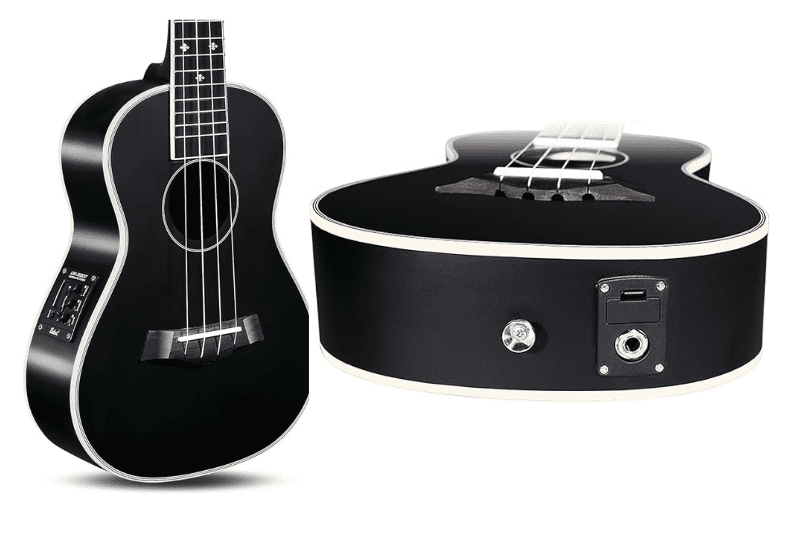
An electric ukulele is equipped with special components that differentiate it from an acoustic ukulele. The primary element is the pickup, which converts string vibrations into electrical signals. This transformation allows the sound to be amplified through external speakers, making it louder and more versatile.
Key Elements:
- Pickups: Devices that capture string vibrations and turn them into electric signals.
- Preamps: Boost the signal strength and allow tone adjustments.
- Built-in Electronics: Include features like EQ controls and effects processors.
Electric ukuleles differ from acoustic ones primarily in their sound production. While acoustic ukuleles rely on the body’s natural resonance, electric ukuleles depend on electronic amplification. This setup enables a wider range of sounds and volume control, making them suitable for various musical genres and performance settings.
Design and Construction
The design of electric ukuleles includes specific modifications to support electronic amplification. These instruments often feature solid or semi-hollow bodies, which help reduce feedback and improve sustain. The construction techniques and materials used also play a significant role in the instrument’s sound quality and durability.
Materials and Construction Techniques
The choice of materials directly impacts the tone and longevity of an electric ukulele. Common materials include:
- Solid Woods: Such as mahogany, koa, and maple, which provide rich, resonant sounds.
- Laminates: Offer affordability and stability in different environments.
- Carbon Fiber: Known for durability and consistent performance.
Construction Techniques:
- Precision Fretwork: Ensures smooth playability.
- Neck Construction: Affects comfort and ease of playing.
- Body Shapes and Sizes: Concert and tenor sizes are popular for their balanced tone and playability.
Key Components of Electric Ukuleles
Pickups: The Heart of the Sound
Pickups are crucial in defining the sound of an electric ukulele. They come in various types, each offering unique tonal characteristics.
Types of Pickups:
- Piezo Pickups: Located under the saddle, known for their bright, clear sound.
- Magnetic Pickups: Typically found in solid-body models, providing a warmer, more electric-guitar-like tone.
- Dual-source Pickups: Combine piezo and magnetic pickups for a versatile sound range.
The placement of these pickups affects sound projection and feedback control. For instance, pickups near the bridge capture brighter tones, while those near the neck deliver warmer sounds.
Preamps and Built-in Electronics
Preamps play a pivotal role in shaping the sound of an electric ukulele. They amplify the signal from the pickups and often come with features like EQ controls, effects processors, and digital tuners.
Advanced Features:
- Onboard EQ Controls: Allow for precise tone shaping.
- Effects Processors: Provide additional sound modulation options.
- Digital Tuners: Ensure the instrument stays in tune, even during performances.
These electronic enhancements expand the ukulele’s versatility, making it suitable for various musical genres and playing styles.
Comparing Electric Ukulele Models
Top-rated Electric Ukuleles
When choosing an electric ukulele, it’s essential to compare models based on several factors such as pickup systems, electronics sophistication, build materials, ergonomic design, and price range. Here are some of the top-rated electric ukuleles on the market:
| Model | Pickup System | Electronics | Build Materials | |
|---|---|---|---|---|
| Fender Fullerton Strat | Piezo | Onboard EQ, Digital Tuner | Alder Body, Maple Neck | |
| Kala U-Bass | Piezo + Magnetic | Built-in Preamp, EQ Controls | Mahogany Body, Rosewood Fretboard | |
| Luna Tattoo Concert | Piezo | Basic Preamp | Mahogany Body, Pau Ferro Fretboard |
Comparative analysis of these models involves examining their unique features and user feedback. For instance, the Fender Fullerton Strat is praised for its iconic design and versatile sound, while the Kala U-Bass offers a unique blend of piezo and magnetic pickups for rich tonal diversity.

Sound Quality and Versatility
Impact of Electronics on Sound Quality
The electronics of an electric ukulele significantly influence its sound quality. High-quality pickups and preamps enhance tone clarity, dynamic range, and overall sound projection.
Examples:
- Jazz: Requires clear, articulate tones, achievable with high-end piezo pickups.
- Rock: Benefits from the robust sound of magnetic pickups.
Achieving optimal sound quality often involves adjusting the setup and combining various gear, such as different amplifiers and effects pedals.
Design and Construction Features
Materials and Craftsmanship
The materials used in an electric ukulele’s construction affect its sound and durability. Solid woods like koa and mahogany are known for their rich tones, while laminates offer affordability and stability.
Ergonomic Considerations:
- Neck Profile: Affects playability and comfort.
- Fretboard Radius: Influences ease of chord playing.
- Body Contouring: Enhances comfort during extended play.
Design Innovations:
- Portability: Lightweight designs for easy transport.
- Durability: Robust construction to withstand frequent use.
- Aesthetic Appeal: Unique finishes and inlays for visual charm.
Performance Considerations
Live Performance Features
for live performances, specific features are essential:
- Multiple Outputs: Ensure flexible connectivity.
- Onboard Tuning Systems: Allow for quick adjustments on stage.
- Battery Management: Reliable power supply for uninterrupted performances.
Durability and Reliability:
- Robust Hardware: Ensures stability during performances.
- Stable Electronics: Prevents signal dropouts and interference.
Strategies to optimize sound output include proper setup and minimizing interference through shielded cables and appropriate amplifier settings.
Maintenance and Care Tips
Routine Maintenance
Maintaining an electric ukulele involves several routine tasks:
- String Maintenance: Regularly changing strings to maintain sound quality.
- Cleaning Methods: Wiping down the body and fretboard to prevent dirt buildup.
- Fretboard Conditioning: Using appropriate oils to keep the fretboard in good condition.
Proper storage and transportation, using a sturdy case, are crucial to prevent damage. Additionally, troubleshooting common issues related to electronics and hardware can extend the instrument’s lifespan.
Conclusion
Understanding the features of electric ukuleles is essential for selecting the right instrument that matches your playing style and performance needs. From construction materials to electronic components, each aspect plays a vital role in shaping the sound and performance of the ukulele. By considering these features, you can find an electric ukulele that offers both quality and versatility, enhancing your musical journey.
For more detailed reviews and comparisons of top electric ukuleles, visit Ukulele Magazine.