
Electric Ukulele Comparisons: Electric vs Acoustic Ukulele
1. Introduction to Electric Ukuleles
What is an Electric Ukulele?
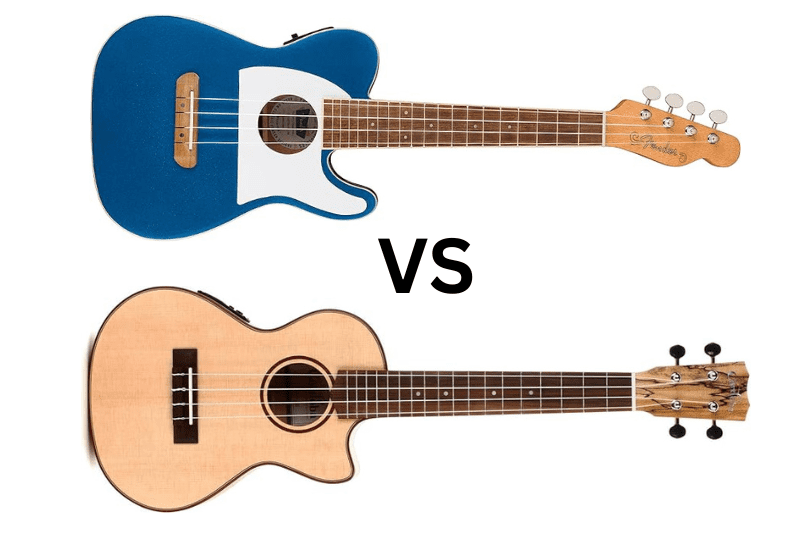
An electric ukulele is a modern adaptation of the traditional Hawaiian instrument. It is designed to be played through an amplifier, unlike acoustic ukuleles that project sound naturally through their hollow bodies. Electric ukuleles use pickups to convert string vibrations into electrical signals. These signals are then amplified, offering greater volume control and tonal versatility.
Differentiation from Acoustic and Hybrid Models
While acoustic ukuleles rely solely on their body resonance to produce sound, electric ukuleles depend on electronic amplification. Hybrid models, also known as acoustic-electric ukuleles, combine features of both. This allows players to switch between acoustic and amplified modes seamlessly.
Brief History and Evolution of Electric Ukuleles
The electric ukulele’s journey began in the early 20th century, inspired by the rise of electric guitars. Innovators like Leo Fender played crucial roles in the development of electric string instruments. Over the decades, electric ukuleles have evolved significantly, with advancements in design and technology leading to a surge in their popularity, especially in genres like indie, rock, and experimental music. Check out resources like Ukulele Underground and Live Ukulele.
1.1 Types of Electric Ukuleles
Solid Body vs Hollow Body Electric Ukuleles
Solid Body Electric Ukuleles: These ukuleles are crafted from a single piece of wood, reducing feedback and enhancing sustain. They are perfect for high-volume, amplified performances.
Hollow Body Electric Ukuleles: These have a chambered body that provides a blend of acoustic warmth and electric versatility. They offer a resonant sound that is closer to traditional acoustic ukuleles.
| Feature | Solid Body | Hollow Body |
|---|---|---|
| Feedback | Minimal | More prone |
| Sustain | Enhanced | Moderate |
| Sound | Bright and clear | Warm and resonant |
Different Sizes and Configurations (Soprano, Concert, Tenor, Baritone)
Electric ukuleles come in various sizes, each affecting the instrument’s sound and playability:
- Soprano: The smallest size, offering bright and high-pitched tones.
- Concert: Slightly larger, providing a fuller sound and better playability.
- Tenor: Popular among performers for its rich, deeper sound and comfortable size.
- Baritone: The largest, producing a deep, guitar-like tone.
Each size caters to different playing styles and musical genres, making it important to choose the right one for your needs.
Variations in Pickup Configurations and Their Influence on Tone Production
The type of pickup used in an electric ukulele greatly affects its tone:
- Single-Coil Pickups: Bright and clear sound, often with more noise.
- Humbucker Pickups: Thicker, warmer tone with reduced noise.
- Piezo Pickups: Capture the natural resonance of the strings and body, often used in acoustic-electric models.
These pickups offer different sound qualities, making the choice of pickup an important consideration based on your preferred sound.
2. Features and Benefits of Electric Ukuleles
Comparison of Features and Benefits with Traditional Acoustic Ukuleles
Electric ukuleles offer several advantages over traditional acoustic models. They allow for amplified performances, making them suitable for live settings. They also provide versatility in sound manipulation through effects pedals and recording equipment.
2.1 Advantages of Electric Ukuleles
Enhanced Amplification Capabilities for Live Performances
electric ukuleles excel in live performance settings. Their power output and control mechanisms enable precise volume adjustments. They integrate seamlessly with sound reinforcement systems and PA equipment, making them a preferred choice for stage performances.
Versatility in Sound Manipulation with Effects Pedals
Electric ukuleles can be paired with various effects pedals, allowing musicians to explore a wide range of sonic textures. From reverb and delay to distortion and chorus, the creative possibilities are endless. For example, using a reverb pedal can create a spacious, ambient sound, while a distortion pedal can add grit and edge to your playing.
Suitable for Recording and Studio Environments
In recording studios, electric ukuleles offer direct input capabilities, ensuring consistent sound quality. They are compatible with various recording equipment, making it easier to achieve professional-grade recordings. Direct input eliminates the need for microphones, reducing potential noise and providing a clean signal.
Customization Options for Personalized Sound Profiles
Electric ukuleles come with adjustable pickups, EQ controls, and onboard effects, allowing players to customize their sound. This adaptability makes them suitable for various musical genres and artistic expressions. Customization options might include adjustable pickups that can be tweaked for different tonal qualities or onboard EQ controls for fine-tuning the sound.
Where To Buy a Acoustic/Electric Ukulele
You can purchase a Acoustic/Electric Ukulele at a great price from the Amazon link below. There, you will be able to find important specification detail as well as customer reviews about the instrument.

2.2 Disadvantages of Electric Ukuleles
Dependency on Amplification and Power Sources
One downside of electric ukuleles is their reliance on amplification and power sources. This can be a challenge in outdoor performances and remote locations where power might be limited. Musicians must also manage battery life and have backup power sources to avoid interruptions during performances.
Potential Loss of Acoustic Resonance and Natural Sound Characteristics
Electric ukuleles might lack the natural resonance and warmth of acoustic models. This difference in tone coloration can be noticeable, especially for purists who prefer the traditional ukulele sound. The absence of a hollow body can result in a less organic sound.
Additional Costs Associated with Maintenance and Electronic Components
Maintaining an electric ukulele involves regular upkeep of pickups, wiring, and integrated electronics. This can incur additional costs, and technical expertise may be required for repairs and troubleshooting. Regular servicing and replacement of electronic components can add to the overall expense.
3. Sound and Tone Quality
Key Differences in Sound Characteristics Between Electric and Acoustic Ukuleles
electric and acoustic ukuleles produce distinct sound characteristics. Electric models rely on pickups and amplification, which can alter the natural warmth of the sound, while acoustic models depend on their hollow bodies for resonance.
3.1 Electric Ukulele Sound Characteristics
Tone Variations Based on Materials and Construction Methods
The materials and construction methods used in electric ukuleles, such as body woods and finishes, significantly influence their tone. Innovations in design have improved tonal clarity and sustain. For instance, using mahogany for the body can produce a warm, mellow sound, while maple might offer brighter tones.
Effects of Amplification on Sound Projection and Clarity
Amplification enhances the sound projection and clarity of electric ukuleles. Adjustments in EQ settings and amplification techniques help preserve the natural acoustic warmth, providing a balanced sound production. Proper EQ settings can ensure that the amplified sound remains clear and well-defined.
Comparison of Sustain and Decay Rates in Electric vs Acoustic Environments
Electric ukuleles generally have longer sustain and different decay patterns compared to acoustic models. These variations are influenced by pickup types and string materials, contributing to the instrument’s unique sound profile. Sustain refers to how long a note rings out, while decay is how the sound diminishes.
4. Build and Construction
Detailed Examination of Materials and Construction Methods Used in Electric Ukuleles
Electric ukuleles are crafted from various materials, including different types of wood and composites. The construction methods, such as body shaping and pickup installation, play a crucial role in defining their sound and durability.
4.1 Durability and Maintenance
Longevity of Electric Ukulele Components
Electric ukuleles are designed to be durable, with robust body materials and hardware. However, the electronic components require regular maintenance to ensure longevity. Proper care can extend the lifespan of pickups, pots, and switches.
Maintenance Tips for Electric Ukuleles, Including Care for Electronics
Regular cleaning and protective measures for pickups and wiring are essential. Proper storage and climate control can also help preserve the instrument over time. Humidity control is important to prevent wood warping and electronic malfunctions.
Innovations in Design for Enhanced Durability and Instrument Longevity
Modern electric ukuleles often incorporate lightweight and ergonomic materials, enhancing both durability and performance. Sustainable manufacturing practices are also becoming more common, reducing the environmental impact. Composite materials and carbon fiber are examples of innovations that contribute to durability.
4.2 Design Innovations in Electric Ukuleles
Ergonomic Enhancements for Comfort During Extended Playing Sessions
Electric ukuleles feature ergonomic designs, such as optimized neck profiles and fretboard radius, to reduce player fatigue. These enhancements improve comfort during long practice sessions and performances.
Integration of Modern Materials for Durability and Performance
The use of composite materials and carbon fiber in electric ukuleles has improved their durability and performance. These lightweight materials make the instruments easier to handle and transport.
5. Playability and Comfort
Exploration of Ergonomic Considerations in Electric Ukulele Design
Electric ukuleles are designed with player comfort in mind. Features like body contouring and balance points enhance playability, making them suitable for various playing styles.
5.1 Performance and Handling
Impact of Weight Distribution on Playability and Balance
the weight distribution in electric ukuleles affects their playability. Proper balance and body contouring improve handling, making them comfortable to play in both standing and seated positions.
Adjustments Needed for Different Playing Styles and Techniques
Electric ukuleles are versatile, accommodating various playing styles, including fingerstyle, strumming, and percussive techniques. They are adaptable for solo performances and ensemble settings.
6. Cost Comparison
Detailed Pricing Analysis for Electric vs Acoustic Ukuleles Across Various Models and Brands
Electric ukuleles typically have a higher price range due to their electronic components. However, they offer additional features and versatility that can justify the investment.
6.1 Value for Money
Features vs Price Comparison for Entry-Level, Mid-Range, and Premium Instruments
Electric ukuleles at different price points offer varying features. Entry-level models provide basic amplification capabilities, while mid-range and premium instruments come with advanced electronics and customization options.
Long-Term Investment Considerations, Including Resale Value and Instrument Lifespan
Electric ukuleles can be a good long-term investment. Their resale value and lifespan depend on factors like build quality, brand reputation, and maintenance.
6.2 Additional Costs of Owning an Electric Ukulele
Budget Allocation for Essential Accessories Like Amplifiers and Cables
Owning an electric ukulele involves additional costs for accessories such as amplifiers, cables, and effects pedals. Maintenance of electronic components also adds to the overall expense.
Financial Planning for Extended Warranties and Insurance Coverage
Extended warranties and insurance coverage can protect against accidental damages and manufacturer defects, providing peace of mind for electric ukulele owners.
7. Buying Guide for Electric Ukuleles
Comprehensive Checklist of Factors to Consider When Purchasing an Electric Ukulele
When buying an electric ukulele, consider factors like pickup quality, build materials, playability, and compatibility with amplification and recording equipment.
7.1 Essential Features to Look for
Quality Benchmarks for Pickups and Electronic Components
High-quality pickups and electronic components ensure better sound quality and reliability. Look for ukuleles with reputable brands and positive user reviews.
Design Considerations for Ergonomic Playability and Performance Comfort
Evaluate the instrument’s neck profile, fretboard design, and overall ergonomics to ensure comfortable playability. Personalization options, such as adjustable pickups, can also enhance the playing experience.
7.2 Testing and Selection Tips
Importance of Hands-On Testing in Acoustic and Amplified Settings
Testing the ukulele in both acoustic and amplified settings is crucial. This helps assess the instrument’s sound quality, projection, and responsiveness.
Benefits of Consulting with Experienced Musicians and Industry Professionals
Seek advice from experienced musicians and industry professionals. Their insights can guide you in making informed purchasing decisions and finding the right instrument for your needs.
8. Environmental Impact and Sustainability
Assessment of Environmental Footprints Associated with Electric and Acoustic Ukuleles
The production of electric ukuleles involves different materials and processes compared to acoustic models. Sustainable practices in manufacturing can reduce the environmental impact.
8.1 Longevity and Reusability
Environmental Impact of Materials Used in Electric Ukulele Construction
Electric ukuleles often use materials like wood, plastic, and metal. Sustainable sourcing and recycling options can minimize their ecological footprint.
Recycling Options and Disposal Methods for End-of-Life Instruments
Responsible disposal of electronic components and hazardous materials is essential. Recycling programs and eco-friendly production techniques help promote sustainability in the music industry.
9. Performance Considerations: Live vs Recording
Tailored Insights into Performance Demands Across Live Performances and Studio Recordings
Electric ukuleles offer distinct advantages in live and recording settings. Understanding these differences can help musicians choose the right instrument for their performance needs.
9.1 Advantages of Electric Ukuleles in Performance Settings
Precision Control Over Volume Levels and Tonal Characteristics
Electric ukuleles provide precise control over volume and tone, making them ideal for large venues. Their compatibility with professional audio equipment enhances sound projection and clarity.
9.2 Acoustic Advantages in Live Performances
Natural Resonance and Acoustic Projection for Intimate Settings
Acoustic ukuleles excel in intimate settings where natural resonance and acoustic projection are desired. They offer an authentic, unplugged music experience.
Audience Engagement and Emotional Impact of Acoustic Music Experiences
Acoustic performances can create a deeper emotional connection with the audience. Techniques like fingerstyle playing and strumming can enhance the acoustic experience.
10. Conclusion
Recapitulation of Key Insights and Actionable Recommendations for Prospective Buyers
Choosing between an electric and acoustic ukulele depends on your specific needs and preferences. Electric ukuleles offer amplified versatility and customization options, while acoustic models provide natural resonance and traditional sound. By understanding the features, benefits, and limitations of each type, you can make an informed decision that best suits your musical journey.